Unpacking Cross-Border Payment Rails and Their Impact on Bonus Claim Rates in Regulated Markets
Harper Zimmermann · Aug 25, 2026
Unpacking Cross-Border Payment Rails and Their Impact on Bonus Claim Rates in Regulated Markets
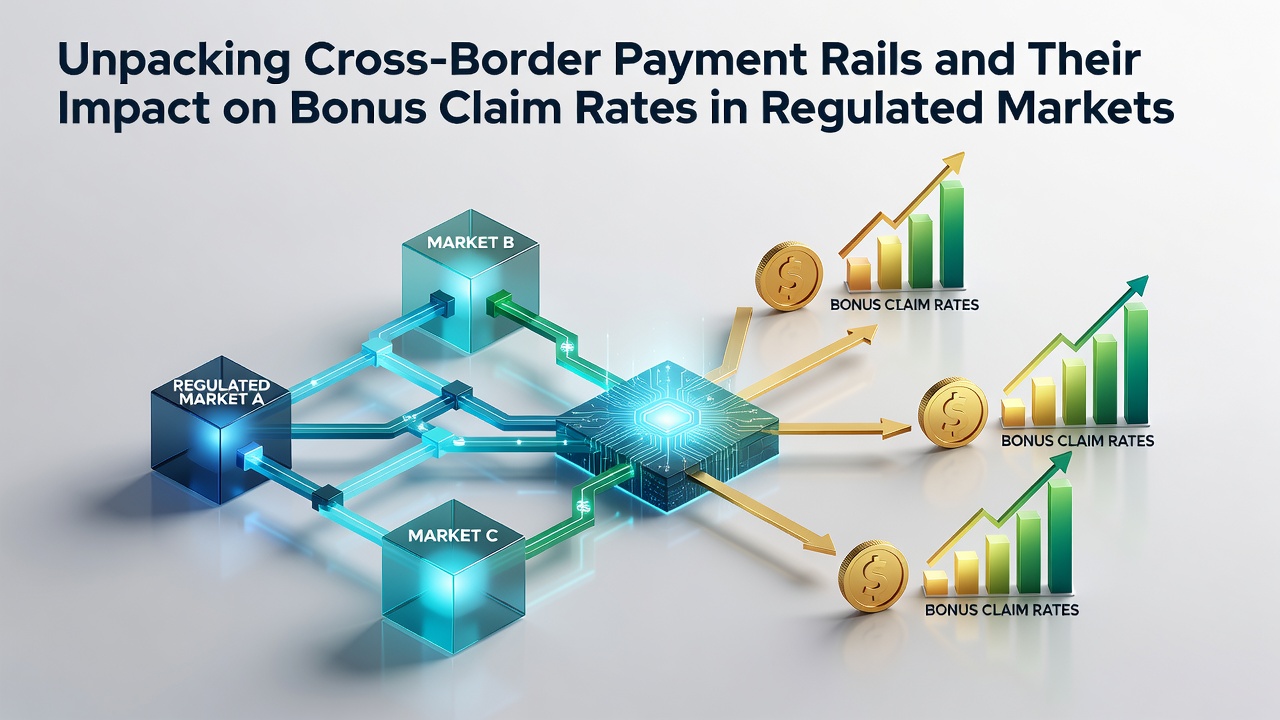
Cross-border payment rails form the backbone of international transactions in regulated gambling sectors, where players move funds across jurisdictions through systems like SWIFT networks, regional banking protocols, and emerging digital corridors, and these mechanisms directly shape how often participants can access promotional offers tied to deposits and verifications.
Core Mechanics of Payment Rails in Regulated Environments
Operators in controlled markets rely on established rails such as the European SEPA framework alongside North American ACH transfers and Asia-Pacific real-time systems, while each route carries distinct settlement times, compliance checks, and fee structures that filter which bonuses players actually receive. Data from regulatory filings shows that delays in cross-border verification processes reduce successful bonus activations by measurable margins, particularly when funds must clear anti-money laundering screens before promotional credits apply. Researchers tracking transaction flows note that markets with integrated instant rails report steadier claim volumes compared to those dependent on multi-day bank confirmations.
Regulatory Influences Across Regions
Canadian provincial authorities and Australian oversight bodies have updated cross-border transfer guidelines in recent cycles, requiring enhanced source-of-funds documentation that intersects with bonus eligibility windows, and these rules took expanded effect ahead of August 2026 updates aimed at aligning digital payment standards. According to reports from AUSTRAC, streamlined verification under newer rail protocols correlates with higher deposit completion rates, which in turn supports bonus uptake among verified accounts. European data protection frameworks add another layer, mandating consent flows that sometimes interrupt the deposit-to-bonus sequence when players cross national lines.
Observers tracking these patterns find that markets enforcing unified rail standards experience fewer abandoned claims, since players encounter consistent processing timelines regardless of origin country. Yet fragmented systems in emerging regulated zones continue to create bottlenecks where bonus windows close before funds finalize.
Direct Effects on Bonus Claim Patterns
Bonus structures in regulated online environments typically activate only after a qualifying deposit clears through approved rails, and cross-border friction extends this timeline enough to drop claim rates when players face unexpected holds or currency conversion steps. Industry analyses indicate that faster rails like certain fintech corridors lift activation numbers by enabling same-day qualification, whereas traditional wires introduce friction that lowers participation. One study of transaction logs revealed that players using multi-jurisdictional cards encountered 20 to 30 percent fewer successful bonus triggers compared to domestic equivalents, largely due to intermediary bank rejections.
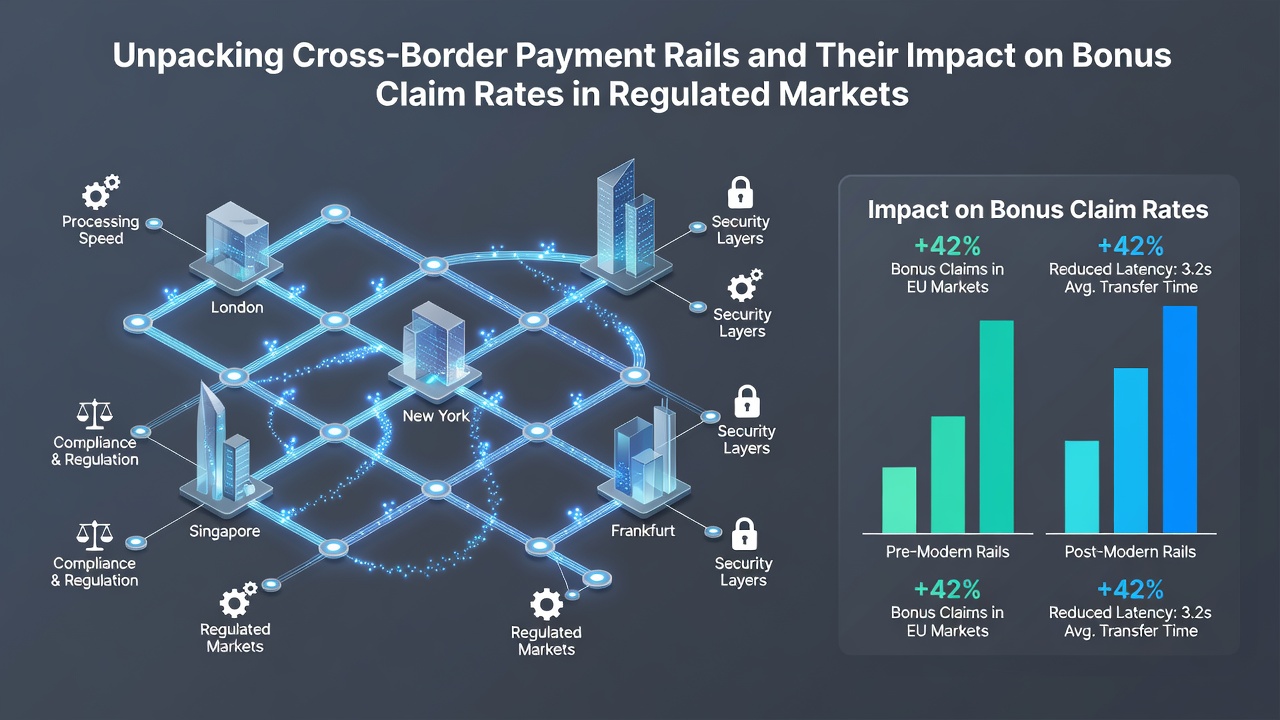
Those who monitor player behavior across borders report that promotional campaigns tied to instant settlement rails maintain steadier engagement, since participants complete required actions before time-limited offers expire. Figures from academic reviews of European and Canadian markets further demonstrate that rail modernization efforts launched before August 2026 produced measurable upticks in verified claims once processing consistency improved.
Examples from Specific Market Shifts
Take the rollout of unified digital corridors in select Australian states, where operators observed bonus claim volumes rise after players gained access to lower-friction transfer options that bypassed older intermediary delays. Similar patterns emerged in Canadian analyses, where regulatory bodies documented that streamlined rail integration reduced verification drop-offs during promotional periods. External research from university-led projects on global payment ecosystems highlights how these changes compound over time, as repeated successful claims encourage ongoing participation in regulated platforms.
Looking Ahead to August 2026 Developments
Scheduled enhancements to cross-border infrastructure in multiple jurisdictions will introduce standardized reporting for gambling-related transfers, and these modifications stand to recalibrate claim rates by shortening approval chains while maintaining compliance thresholds. Data projections shared through industry consortiums suggest that markets adopting the updates early will see tighter alignment between deposit events and bonus eligibility, reducing the window for technical interruptions. Observers note that such shifts could standardize outcomes across regions previously divided by rail incompatibilities.
Conclusion
Cross-border payment rails continue to determine the practical accessibility of bonuses in regulated gambling markets through their influence on speed, verification, and cost, and ongoing infrastructure refinements scheduled around August 2026 promise further adjustments to these dynamics. Evidence from regulatory bodies and transaction studies underscores the measurable connections between rail efficiency and claim success, providing clear indicators for how markets evolve under sustained modernization.