The Rise of Biometric Verification in Global Online Betting Platforms
Ulrich Friedrich · Jul 23, 2026
The Rise of Biometric Verification in Global Online Betting Platforms
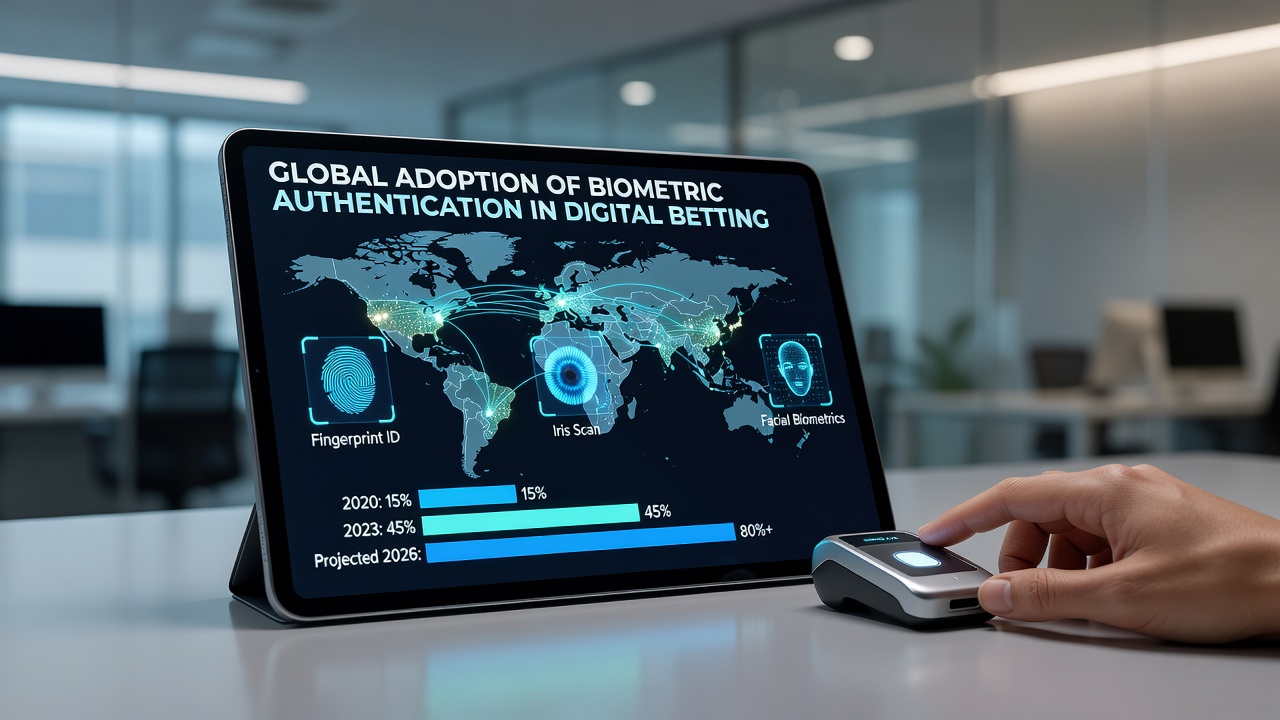
Digital betting sites across multiple continents have integrated biometric authentication systems at an accelerating pace since 2024, with fingerprint scanning, facial recognition, and voice verification becoming standard tools for account access and transaction approval. Operators report that these methods reduce account takeover incidents while streamlining user entry points compared to traditional password or PIN requirements. Research from industry analysts indicates adoption rates climbed steadily through 2025, driven by regulatory expectations in licensed markets and the need to handle high-volume login traffic without friction.
Core Technologies Driving Implementation
Biometric systems in betting environments rely on several established methods that operators deploy in layered combinations. Fingerprint readers appear on mobile apps for quick session starts, while facial recognition handles identity checks during deposits or large withdrawals. Voice biometrics serve telephone-based customer support interactions and some desktop platforms where camera access remains limited. Data from platform providers shows these tools process millions of verifications daily, with error rates dropping below 1 percent in optimized deployments as algorithms improve through machine learning updates.
Operators often combine biometrics with device fingerprinting and behavioral analytics to create multi-factor profiles. This approach allows systems to flag anomalies such as location changes or unusual betting patterns without requiring repeated full scans. Studies conducted by university research teams highlight that hybrid models maintain security standards while preserving the speed users expect during live events.
Regional Patterns of Adoption
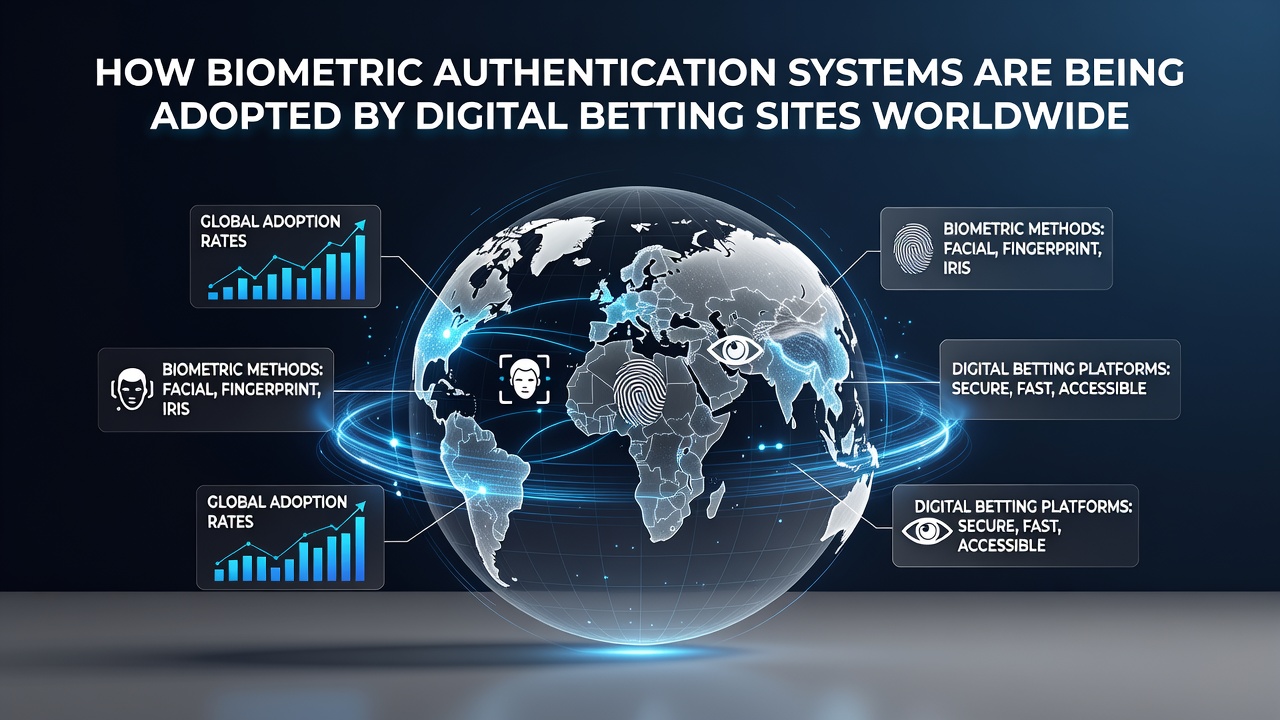
North American markets, particularly those regulated by state gaming boards, began requiring enhanced identity verification for online sportsbooks around 2023, leading many operators to adopt facial recognition for initial account setup and periodic re-authentication. In Asia, platforms licensed in jurisdictions like Singapore and Macau integrated similar tools to comply with strict anti-money laundering rules, often pairing biometrics with national ID databases for seamless cross-checks. European operators outside the United Kingdom have followed suit through frameworks set by bodies such as the Malta Gaming Authority, where biometric logs help demonstrate responsible player management during audits.
Australian betting companies expanded biometric use after updates to digital identity standards in 2025, with several major apps now defaulting to fingerprint or Face ID for all wagering activity. Observers note that these regional differences reflect varying legal thresholds rather than uniform global mandates, yet the underlying technology stacks remain comparable across borders.
Regulatory and Security Drivers
Regulatory pressure plays a central role in prompting biometric rollout. Licensing conditions in many jurisdictions now include explicit requirements for robust customer identification, and operators respond by selecting methods that produce auditable records. According to statistics released by the Nevada Gaming Control Board, biometric verification has contributed to measurable declines in disputed account claims within regulated sports betting channels. At the same time, industry groups such as the European Gaming and Betting Association have published guidance encouraging members to adopt privacy-preserving biometric templates that store encrypted data rather than raw images.
Security benefits extend beyond fraud prevention. Biometric systems limit the effectiveness of credential-stuffing attacks that rely on stolen passwords circulating on dark web markets. When combined with real-time risk scoring, these tools allow platforms to approve routine bets instantly while routing higher-risk actions to additional checks. Figures released in mid-2026 show that sites using full biometric stacks experienced fewer than half the account compromise events compared to password-only peers in the same markets.
Technical and User Experience Considerations
Implementation challenges center on device compatibility and user consent processes. Older smartphones without dedicated biometric hardware still require fallback options, which operators address through one-time passcodes or video verification calls. Privacy regulations in multiple countries mandate clear disclosure of how biometric data is stored and deleted, prompting platforms to adopt on-device processing that keeps templates local rather than transmitting them to central servers.
User acceptance has grown as familiarity with phone-based biometrics increases. Surveys conducted by research firms indicate that most players prefer fingerprint or facial methods over typing complex passwords, especially during time-sensitive betting windows. Yet some markets report pockets of resistance among users concerned about permanent data retention, leading operators to offer granular controls over which features activate biometric prompts.
Future Trajectory Through 2026 and Beyond
As of July 2026, several large betting groups announced plans to expand voice biometrics for in-app chat support and to pilot iris scanning on newer mobile devices. These additions aim to further reduce friction while meeting evolving compliance benchmarks. Continued refinement of liveness detection algorithms helps distinguish real users from photos or recordings, addressing one of the remaining technical vulnerabilities in facial systems.
Conclusion
Biometric authentication has moved from optional enhancement to core infrastructure across digital betting sites worldwide. Regional regulations, security demands, and user expectations continue to shape how operators select and combine these tools. Data from regulatory bodies and industry associations demonstrates consistent gains in account protection and operational efficiency wherever the systems operate under proper oversight. The pattern suggests further integration will occur as device capabilities advance and legal frameworks stabilize.