Regulatory Landscapes and Their Reach: Exploring Licensing Effects on Gaming Libraries Plus Transaction Protections
Otto Long · Jul 7, 2026
Regulatory Landscapes and Their Reach: Exploring Licensing Effects on Gaming Libraries Plus Transaction Protections
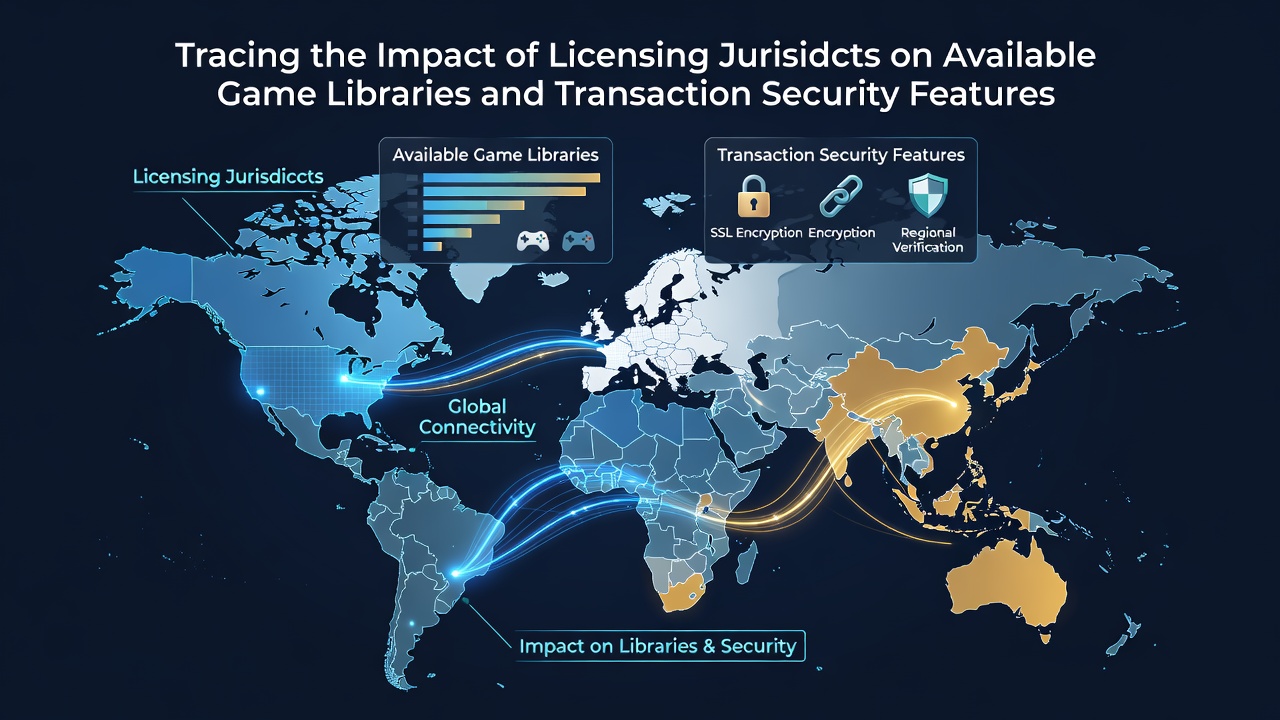
Online gaming platforms operate under rules set by licensing jurisdictions that determine which games appear in player libraries and which security measures protect financial transactions, and these frameworks create clear differences across regions. Jurisdictions such as those in the European Union, parts of North America, and various offshore centers establish standards that operators must follow, with each region imposing its own requirements on game certification and payment processing protocols.
How Licensing Shapes Game Availability
Game libraries expand or contract depending on the licensing authority because regulators require specific testing for random number generators and content approval before titles reach players. In jurisdictions with strict technical standards, operators limit offerings to certified slots and table games that meet RNG fairness criteria, whereas more flexible regions allow broader catalogs that include experimental or locally developed titles. Data from industry reports shows that platforms licensed in multiple zones often maintain separate game sections tailored to each regulatory environment, which means users in one area access different selections than those in another.
Observers note that jurisdictions frequently update their approved game lists after periodic audits, and these changes ripple through available libraries within months. For instance, new certification rules introduced in early 2026 led several operators to remove or modify certain progressive jackpot games by July of that year when compliance deadlines arrived. Research indicates that regions emphasizing player protection tend to restrict high-volatility titles or those with complex bonus structures until additional safeguards receive approval.
Transaction Security Standards Across Borders
Payment security features vary significantly because licensing bodies mandate different levels of encryption, identity verification, and transaction monitoring. Platforms under authorities with rigorous anti-money laundering protocols implement multi-factor authentication and real-time fraud detection systems that exceed basic requirements elsewhere. According to figures from regulatory summaries, jurisdictions in Canada and Australia enforce data encryption standards that align with national cybersecurity guidelines, resulting in fewer reported incidents of unauthorized access compared to areas with lighter oversight.
Regional Variations in Practice
European licensing frameworks often require operators to integrate certified payment gateways that support only approved methods, which reduces exposure to high-risk transactions while maintaining compatibility with local banking systems. In contrast, North American state-level regulators focus on geofencing and age verification tools that tie directly into transaction logs, creating detailed audit trails for every deposit or withdrawal. One study revealed that platforms operating under these combined rules processed over 95 percent of transactions through verified channels by mid-2026, highlighting how overlapping requirements strengthen overall security layers.
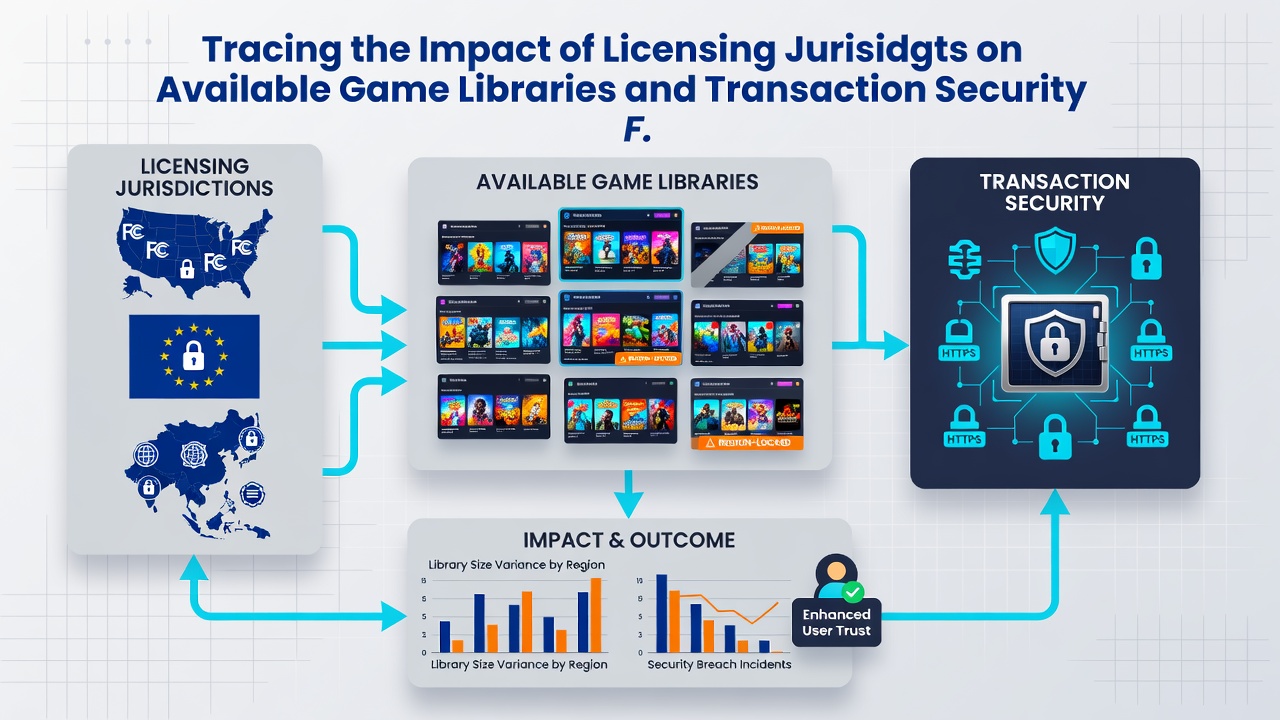
What's interesting is the way some jurisdictions collaborate through mutual recognition agreements, allowing operators to apply security features developed under one license across multiple markets. This approach reduces duplication yet still demands that each region retains authority to impose additional controls when local conditions warrant them. Those who've examined compliance records find that such arrangements often lead to faster rollout of updated encryption protocols because shared testing resources accelerate approval processes.
Connecting Game Libraries with Security Requirements
Licensing conditions frequently link game availability directly to transaction safeguards, since regulators may restrict certain titles unless operators demonstrate adequate payment monitoring capabilities. Platforms must therefore balance expansive libraries against the cost of enhanced security infrastructure, and this balance shifts whenever a jurisdiction revises its guidelines. Evidence suggests that operators licensed in multiple jurisdictions maintain centralized security teams that adapt protocols to satisfy the strictest applicable rules, ensuring consistent protection even as game offerings diversify.
But here's the thing: smaller operators sometimes choose single-jurisdiction licensing to simplify compliance, which in turn narrows both their game selections and available transaction options. Larger entities spread across several authorities gain flexibility in libraries yet face higher administrative burdens to keep all security certifications current. Academic papers on regulatory economics note that these dynamics influence market entry decisions, with new platforms evaluating which combination of jurisdictions yields the optimal mix of game variety and payment reliability.
Looking Ahead at Ongoing Developments
By July 2026, several jurisdictions had begun piloting blockchain-based transaction logging systems that integrate with existing game certification processes, allowing real-time verification of both gameplay fairness and fund movements. These pilots build on earlier frameworks and demonstrate how licensing bodies continue adapting standards to emerging technologies without disrupting established player access patterns. Industry organizations tracking these changes report that early results show improved audit efficiency, particularly in regions where multiple regulators share access to the same verification data.
Conclusion
Licensing jurisdictions continue to define the boundaries of game libraries and transaction security features through evolving technical and procedural requirements. Platforms respond by adjusting offerings and protections to match each authority's expectations, creating a global landscape where availability and safety measures reflect the specific rules of the licensing region. Observers tracking these patterns see steady refinement as regulators incorporate new technologies and cross-border cooperation expands.