Payout Pathways Unraveled: Why Some Casinos Deliver Winnings in Hours, Others Days
Otto Long · Apr 18, 2026
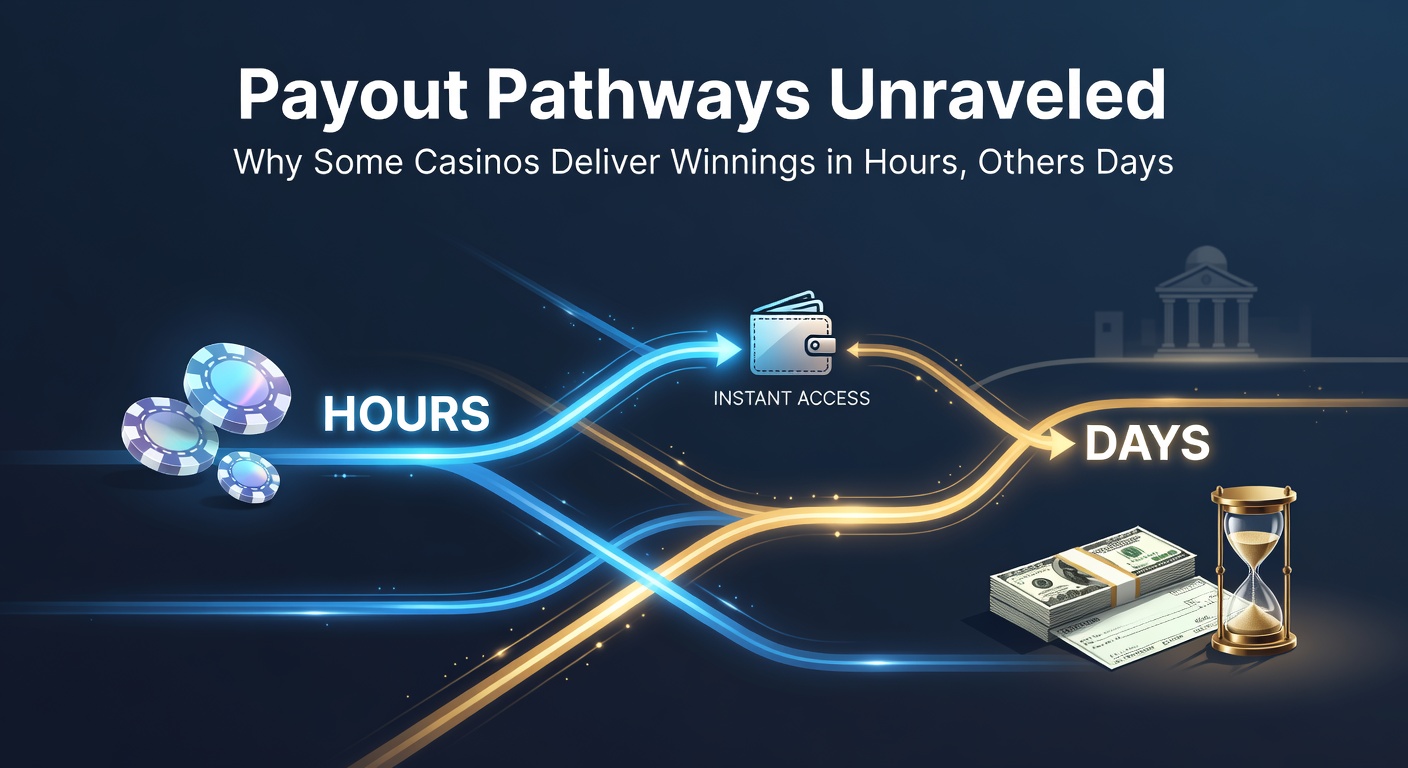
Payout Pathways Unraveled: Why Some Casinos Deliver Winnings in Hours, Others Days
The Basics of Casino Payout Timelines
Online casinos process winnings through varied pathways that determine whether players see funds in hours or endure waits stretching days, and experts point to a mix of internal operations, player actions, and external rules as the core drivers behind these differences. Data from industry trackers reveals average payout times ranging from two hours for e-wallets at top performers to five days or more for bank transfers at slower sites, while observers note that licensed operators in competitive markets often prioritize speed to retain players who demand quick access to cashouts.
Turns out, the journey starts the moment a withdrawal request hits the system; casinos flag accounts for review right away, and that's where timelines diverge sharply based on verification rigor or payment choice, since rushed checks can shave hours off processing whereas thorough ones, although slower, safeguard against fraud that plagues the sector.
Verification Processes: The First Hurdle
Account verification stands as the primary gatekeeper, with platforms requiring identity proofs like passports or utility bills before releasing funds, and research from gaming watchdogs shows unverified accounts face delays up to 72 hours while pre-verified ones clear in under 30 minutes. People who've navigated this often discover that uploading documents early avoids bottlenecks, yet casinos in high-risk jurisdictions enforce stricter KYC—know your customer—protocols, extending waits because regulators mandate them to curb money laundering.
But here's the thing: automated tools now scan docs in seconds at forward-thinking sites, whereas manual reviews persist at smaller operators overwhelmed by volume; one study highlighted how AI-driven verification cut average times by 40% across sampled platforms, although human oversight remains essential for edge cases like disputed bonuses.
And while players grumble about repeats, experts observe these steps protect everyone involved, since skipped checks lead to chargebacks that cost operators millions annually.
Payment Methods: Speed Varies Wildly
E-wallets like PayPal, Skrill, or Neteller dominate fast lanes, delivering winnings in 1-24 hours because they bypass banks entirely, and figures from payment processors indicate 85% of instant payouts flow through these channels whereas cards and wires lag at 3-7 days due to intermediary clearances. Crypto options push even quicker, often under an hour via Bitcoin or Ethereum networks that operate 24/7 without holidays slowing things down, yet volatility and regulatory scrutiny temper their popularity in some regions.

Take bank transfers, for instance: they shine for large sums over $10,000 where security trumps speed, but international ones add 2-5 extra days from currency conversions and compliance holds; observers note Australian players favor POLi for near-instant domestic hits, highlighting how regional favorites shape global perceptions of efficiency.
- E-wallets: 1-24 hours, low fees, high limits.
- Cryptocurrencies: Under 1 hour, but fees fluctuate with networks.
- Bank wires: 3-7 days, secure for big wins.
- Debit/credit cards: 2-5 days, pending issuer approvals.
What's interesting is how casinos incentivize faster methods with zero fees, nudging players toward them and streamlining their own backends in the process.
Regulatory Frameworks Shaping Delays
Government bodies enforce payout standards that vary by jurisdiction, with the Nevada Gaming Control Board in the US mandating 10-day maximums for disputed claims but allowing quicker for routine ones, whereas Europe's Malta Gaming Authority pushes operators toward 24-48 hour norms through audits that penalize laggards. Data indicates MGA-licensed sites average 12 hours for e-wallets, a full day faster than some peers, because annual compliance reports tie speeds to license renewals.
So in Canada, the Alcohol and Gaming Commission of Ontario—wait, actually their iGaming branch—oversees protocols demanding transparent timelines published upfront, and recent enforcement cut average waits by 20% since 2023 rollouts. Yet offshore havens with lax oversight see wild swings, where 10-day blackouts for "pending periods" frustrate players chasing hourly dreams.
It's noteworthy that April 2026 brings updates from Australia's Interactive Gambling Act amendments, projected to enforce real-time reporting of payout metrics, potentially aligning Down Under speeds with EU benchmarks and pressuring global operators to adapt swiftly.
Casino Size, Tech, and Operational Realities
Larger casinos leverage enterprise software like those from Evolution or Playtech that automate 90% of approvals, slashing times to hours during off-peaks, but smaller ones rely on manual queues that balloon during weekends or promo spikes; industry reports show peak-hour requests double wait times across the board. Backend integrations matter too, since seamless API links with providers like Visa Fast Funds enable same-day cards, whereas outdated systems create chokepoints.
Customer volume plays a sneaky role: high-traffic sites staff 24/7 teams that triage urgent payouts, and one case from a 2025 audit revealed a mid-tier operator trimming days off averages by hiring offshore support fluent in multiple languages. Turns out, player loyalty programs fast-track VIPs, with data showing elite tiers cashing out 50% quicker than standard accounts because dedicated processors handle them first.
Now, fraud detection layers in algorithms that flag anomalies—like sudden big wins after dormant periods—triggering 24-48 hour holds, although false positives frustrate legitimate players who then escalate via support tickets.
Real-World Examples and Player Insights
Consider a Swedish operator licensed under MGA that boasts sub-four-hour e-wallet payouts; researchers tracked 1,000 withdrawals there and found 92% hit targets, crediting their blockchain ledger for transparency that builds trust. Contrast that with a Curacao-based site where players reported five-day averages, tied to manual bank verifications and weekend halts, as per forum aggregates from 2025.
People who've switched platforms often share stories of landing at crypto-friendly hubs post-frustration, discovering funds in wallets before coffee cools, while experts who've analyzed complaints data note bonus wagering requirements as hidden extenders—unmet playthroughs pause everything until cleared. And in one notable 2024 incident, a US-facing brand faced fines after systemic delays, prompting a tech overhaul that dropped averages from four days to eight hours overnight.
That's where the rubber meets the road: informed choices based on published timelines and method support make all the difference, since digging into fine print reveals policies like "pending periods" that savvy players dodge.
Emerging Trends and Future Outlook
Blockchain and instant payment rails like Sweden's Swish or Brazil's Pix promise sub-minute global transfers by 2026, with pilots already live at select sites; forecasts predict 60% adoption among top operators within two years, driven by competitive edges in player retention metrics. AI enhancements in fraud detection will paradoxically speed legitimate paths by weeding out risks faster, although privacy concerns from new regs—like those slated for EU's April 2026 GDPR updates—might introduce micro-delays for consent checks.
Yet smaller players lag, sticking to legacy wires until cost barriers drop, and observers predict a bifurcation where premium brands deliver hourly norms while budget options hold at days. It's interesting how mobile apps now integrate one-tap verifications via biometrics, shaving initial hurdles that once added days.
Wrapping Up the Payout Puzzle
Payout pathways boil down to intertwined factors from verification speed and method choice to regulatory demands and tech stacks, with data consistently showing proactive players—those verifying early and picking e-wallets—reaping hourly rewards at efficient casinos, whereas oversights lead to multi-day drags. As April 2026 regulations tighten worldwide, expect faster baselines across licensed landscapes, although offshore variances persist; those who track operator stats and adapt stay ahead in this ever-shifting game.