Mapping Withdrawal Durations in Worldwide Casino Payment Networks
Harper Zimmermann · Aug 18, 2026
Mapping Withdrawal Durations in Worldwide Casino Payment Networks
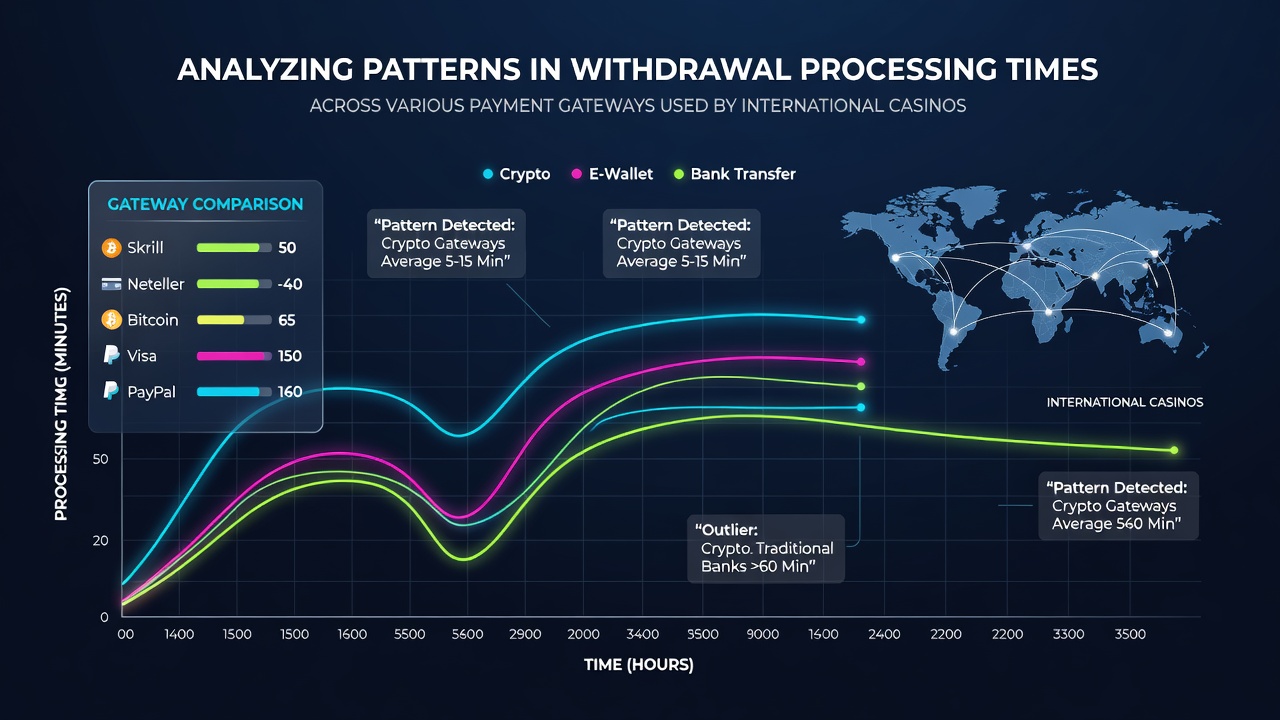
Payment gateways used by international casinos display distinct patterns in withdrawal processing times that vary by method, region, and verification requirements, and researchers tracking these systems have documented consistent differences across e-wallets, bank transfers, credit cards, and cryptocurrency options. Data collected through 2025 and into August 2026 shows that e-wallet services such as Skrill and Neteller often complete transfers within 24 hours once approved, while traditional bank wires extend to three to five business days depending on the destination country and intermediary banks involved.
Breakdown by Gateway Type
Observers note that credit card withdrawals through Visa and Mastercard follow a middle path, with most international operators reporting one to three days for processing after identity checks clear, yet delays occur when casinos route transactions through multiple acquirers in different jurisdictions. Cryptocurrency gateways present the widest range, where Bitcoin and Ethereum payouts can finalize in under an hour during peak network activity but stretch beyond 48 hours when congestion spikes or when platforms impose additional confirmation layers for larger sums.
Regional licensing plays a measurable role in these timelines, and studies compiled by the iGaming Ontario authority indicate that operators licensed in Canada maintain tighter internal review windows compared with those regulated in parts of Asia or Latin America. Meanwhile, the European Gaming and Betting Association has published aggregated figures showing that platforms serving multiple continents average longer verification queues because they must reconcile differing know-your-customer standards from each market.
Factors Driving Time Variations
Verification status remains the single largest variable across all gateways, and operators report that fully verified accounts experience approval rates up to 40 percent faster than new or partially documented ones. Currency conversion adds another layer, since withdrawals involving cross-border exchanges trigger extra compliance checks that extend processing by one to two days on average. Volume spikes during major sporting events also correlate with temporary slowdowns, particularly for e-wallets that see transaction counts rise sharply in short windows.
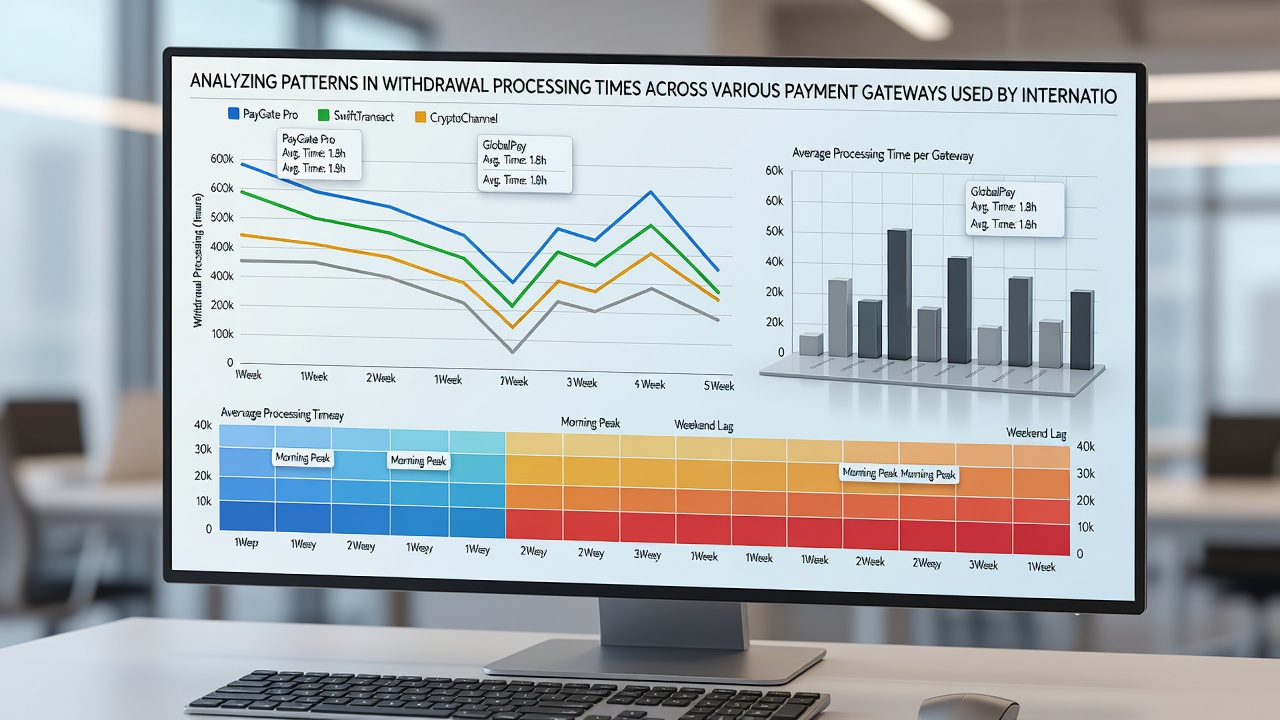
August 2026 data from several large platform operators revealed that crypto payouts processed through dedicated gateways achieved median completion times of 14 hours, while the same operators recorded 72-hour medians for wire transfers routed through correspondent banks in emerging markets. These differences persist even after initial approval because settlement infrastructure itself differs, and gateways relying on legacy banking rails encounter more friction than those built on distributed ledger technology.
Regional and Regulatory Influences
Platforms operating under the Malta Gaming Authority framework demonstrate processing consistency across e-wallet channels, whereas operators licensed in Australian states show tighter windows for local bank transfers due to integrated real-time payment systems introduced in prior years. International casinos that serve players from multiple continents must balance these local efficiencies against global compliance obligations, and the resulting hybrid workflows produce the varied patterns documented in industry reports.
Academic analyses published in the Journal of Gambling Studies have examined how transaction monitoring software affects approval speed, and findings indicate that automated risk-scoring tools reduce manual review time by approximately 30 percent for low-risk withdrawals while flagging higher-value requests for additional scrutiny. Those flagged cases then move through separate queues that extend total duration regardless of the underlying gateway.
Conclusion
Patterns in withdrawal processing times across international casino payment gateways reflect a combination of technical infrastructure, regulatory requirements, and operational volume rather than any single dominant factor. Continued monitoring through 2026 and beyond will clarify whether emerging real-time settlement technologies narrow these gaps or whether regional compliance differences maintain the current spread between the fastest and slowest methods.