Geolocation Dynamics in International Gaming: Patterns of Access and Restriction
Ulrich Lange · Jun 20, 2026
Geolocation Dynamics in International Gaming: Patterns of Access and Restriction
Geolocation tools determine player eligibility across borders through layers of IP address verification, GPS coordinates, and device fingerprinting that together create precise location profiles, and these systems now underpin access controls in markets from North America to Asia. Research from regulatory bodies shows that operators rely on these technologies to enforce jurisdictional rules while users encounter varying levels of restriction based on detected positions, and data from industry reports indicates that cross-border sessions often face immediate blocks or redirects when tools flag non-compliant locations.
Operators deploy multiple detection methods simultaneously, combining database lookups of IP ranges with real-time satellite positioning that narrows accuracy to within meters in urban zones, whereas rural connections sometimes trigger fallback protocols that require additional verification steps such as address confirmation or secondary device checks. Observers note that this layered approach reduces unauthorized access attempts by significant margins according to figures released in regulatory filings, yet sophisticated circumvention tactics continue to evolve in parallel with the tools themselves.
Technical Foundations of Location Verification
IP geolocation databases form the first line of defense by matching addresses to registered countries and regions, and updates to these databases occur regularly to reflect new infrastructure deployments that alter routing paths. GPS integration adds another dimension when mobile applications request permission for precise coordinates, while Wi-Fi triangulation supplements data on stationary devices through known network identifiers. Studies from academic institutions reveal that combined accuracy rates exceed ninety-five percent in most developed markets, although discrepancies arise near borders where signals overlap or in areas with heavy VPN infrastructure.
Device fingerprinting captures additional signals including browser configurations, operating system details, and hardware identifiers that help distinguish genuine users from those attempting to mask locations. When inconsistencies appear between reported IP and GPS data, systems often escalate to manual review processes or temporary access denials until discrepancies resolve. Those who've analyzed network logs report that such escalations occur most frequently during peak evening hours when cross-border traffic spikes.
Regulatory Influences on Access Patterns
Government agencies across different continents enforce location-based rules that directly shape how platforms segment their user bases, and compliance requires operators to maintain updated geofencing maps aligned with current legislation. In June 2026, updates to several regional frameworks introduced stricter requirements for real-time verification in multi-jurisdictional environments, prompting widespread adjustments in detection algorithms. These changes affected traffic flows noticeably, with analytics showing reduced cross-border session volumes in affected zones during the initial rollout period.
European regulators outside the UK have collaborated on shared databases that flag high-risk IP ranges associated with prior violations, whereas North American state-level authorities maintain separate but interoperable systems that exchange information on emerging threats. Industry associations such as the International Association of Gaming Regulators have documented how these coordinated efforts improve enforcement consistency without creating uniform global standards. International Association of Gaming Regulators reports highlight measurable declines in unauthorized access following database integrations.
Player Behavior and Network Adaptations
Users respond to these controls through various strategies that range from selecting compliant local networks to experimenting with proxy services, and platform analytics track resulting shifts in session durations and connection success rates. Research indicates that players in restricted regions often migrate toward domestically licensed alternatives when cross-border options become inaccessible, creating predictable redistribution patterns across operator portfolios. What's interesting is how seasonal events and time zone differences further modulate these flows, producing peaks that align with major sporting calendars or promotional windows.
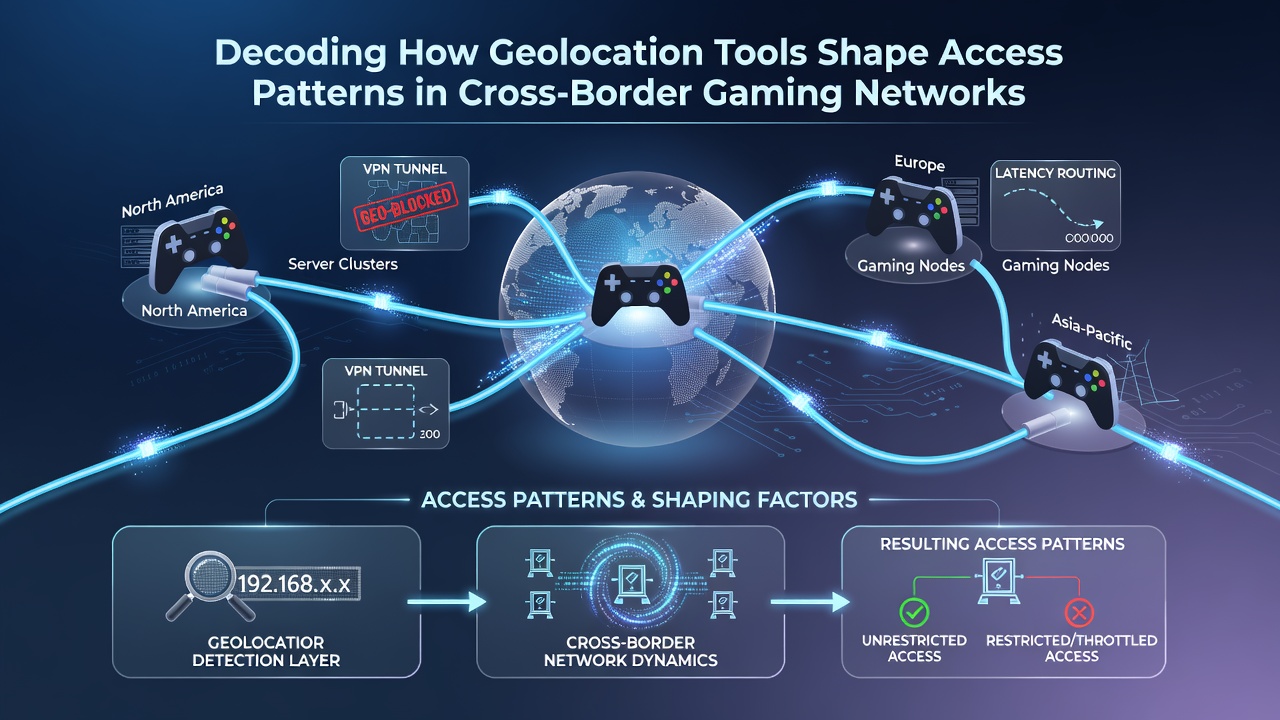
Network operators have adapted by implementing progressive verification that allows limited functionality during initial checks before granting full access, and this approach balances security with user retention according to performance metrics shared in trade publications. Data from monitoring services shows that false positive blocks have decreased over successive software iterations as machine learning models refine their classification of legitimate travel versus evasion attempts. Observers note that these refinements rely on expanding datasets drawn from millions of daily transactions worldwide.
Future Trajectories in Detection Capabilities
Emerging technologies such as blockchain-based location attestations and advanced signal analysis promise tighter integration between verification layers, while ongoing research explores privacy-preserving methods that satisfy regulatory demands without exposing excessive user data. Canadian federal agencies and Australian oversight bodies have both funded pilot programs examining these innovations, with preliminary results suggesting improved compliance outcomes alongside reduced processing overhead. Australian Institute of Criminology publications detail how such pilots contribute to broader evidence bases on effective border control mechanisms in digital environments.
Patterns observed through aggregated traffic data continue to inform refinements, revealing correlations between specific connection types and compliance rates that guide future tool development. As networks expand into new territories, these insights help maintain consistent enforcement despite increasing complexity in global routing infrastructures.
Conclusion
Geolocation systems continue to define the boundaries of cross-border gaming participation through increasingly sophisticated verification that integrates multiple data streams and regulatory inputs. Access patterns shift in response to both technological upgrades and policy adjustments, producing measurable changes in session distributions across regions. Continued monitoring by diverse governmental and academic sources supports ongoing optimization of these tools while addressing emerging challenges in accuracy and privacy.