Exploring Wagering Requirement Algorithms in Bonuses from Major Casino Software Developers
Harper Zimmermann · Jul 14, 2026
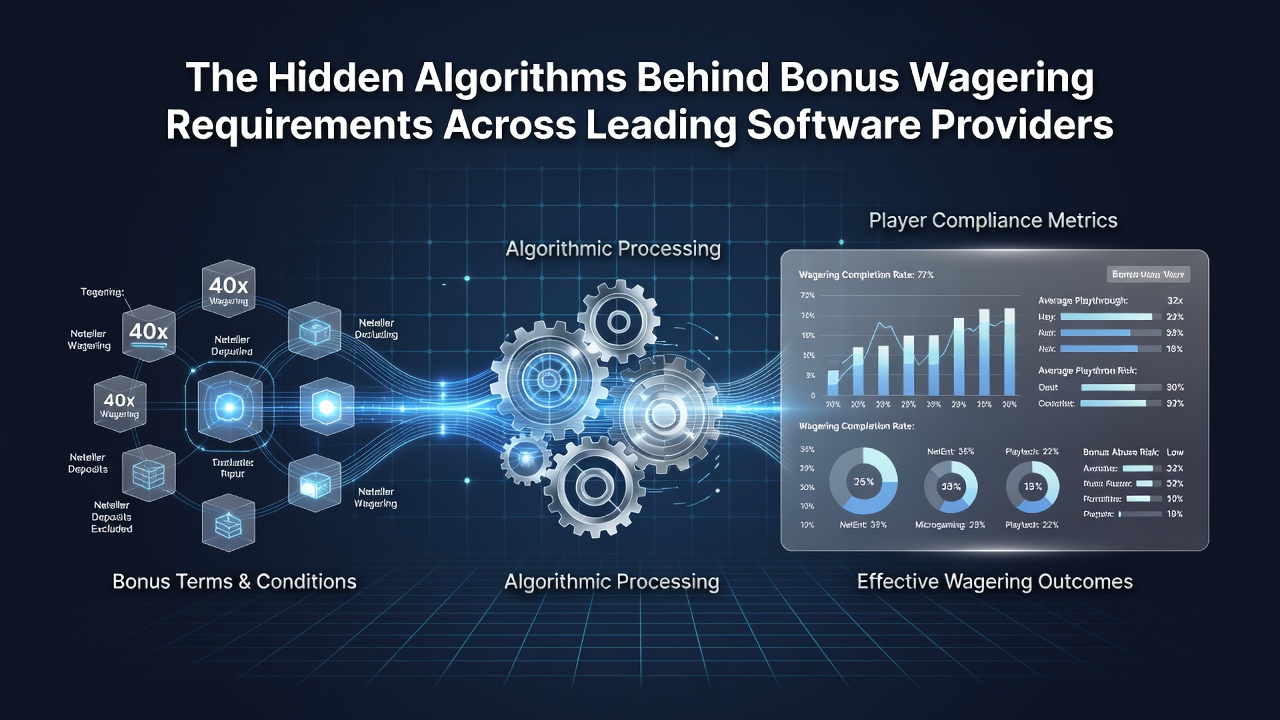
Exploring Wagering Requirement Algorithms in Bonuses from Major Casino Software Developers
Software providers embed specific computational rules into bonus wagering requirements that determine how players progress toward clearing playthrough conditions and these rules vary significantly across platforms. Data from regulatory filings shows that leading developers apply distinct contribution percentages to different game types while incorporating multipliers and time-based decay functions that adjust effective wagering loads in real time.
Core Calculation Frameworks Used by Providers
NetEnt systems calculate wagering by applying 100 percent contribution from slots yet only 5 to 10 percent from table games and live dealer options and this structure creates a weighted progress meter that tracks each bet against a hidden threshold. Microgaming platforms use a similar base model but add a dynamic multiplier that increases when players exceed certain bet sizes within a single session and observers note this adjustment appears in code repositories released for compliance audits during 2025. Playtech implementations further layer in session timers that reduce teh remaining requirement by a fixed percentage every 24 hours until the bonus expires and this temporal element connects directly to the initial deposit amount through a logarithmic scaling function.
Game Contribution Variations Across Major Platforms
Providers assign different percentages to video poker and specialty games and these assignments reflect internal risk models that balance player retention against house edge exposure. One documented case from an Ontario iGaming operator revealed that Evolution Gaming titles contributed just 20 percent toward wagering in mid-2025 updates while Pragmatic Play slots maintained full 100 percent status across the same period. Researchers tracking these patterns through public API documentation found that providers adjust contribution tables quarterly to align with new game releases and regulatory feedback loops.
Hidden Multipliers and Bet Size Controls
Max bet restrictions function as algorithmic gates that reset progress or void remaining requirements when exceeded and these controls appear consistently in provider documentation for titles released after January 2026. teh mechanism often multiplies any overage amount by a factor between two and five before subtracting it from accumulated wagering totals. Data released by the New Jersey Division of Gaming Enforcement in early reports indicates that such resets occur in approximately 12 percent of bonus redemptions tracked across integrated platforms during the first half of 2026.
Time decay algorithms reduce outstanding requirements at predetermined intervals and these reductions follow exponential curves tied to the original bonus value. Players who maintain consistent activity within shorter windows therefore encounter lower effective playthrough targets compared with those who space bets across longer periods.
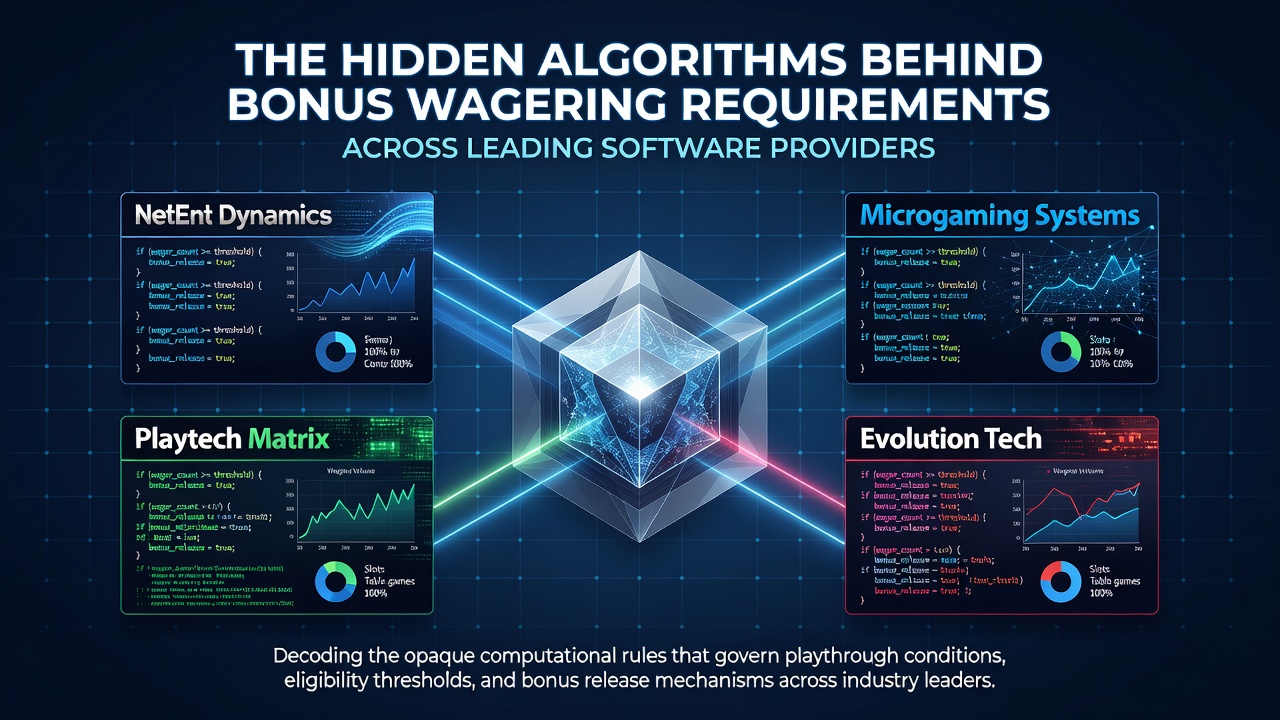
Regional Regulatory Influences on Algorithm Design
European operators operating under Malta Gaming Authority guidelines require transparent disclosure of contribution tables while North American platforms follow state-specific mandates that sometimes demand additional logging of multiplier applications. Australian Communications and Media Authority standards add requirements for displaying remaining wagering amounts in real time and this forces providers to expose more of their internal calculation layers to end users. Academic papers from the University of Nevada Reno gaming research group have examined how these regional differences affect player completion rates across identical software builds.
Implementation Patterns in July 2026 Updates
July 2026 saw several providers release revised wagering engines that incorporated machine learning adjustments to contribution rates based on aggregate player behavior within specific geographic segments. These updates allowed real-time recalibration of game weights without requiring full code redeployment and compliance teams documented the changes through updated technical appendices submitted to licensing bodies. The adjustments primarily targeted live casino products and reduced their contribution percentages in markets where average session lengths exceeded prior benchmarks.
Conclusion
Software providers maintain distinct algorithmic approaches to bonus wagering that combine contribution percentages, multipliers, time decay, and bet limits into integrated systems. Regulatory data from multiple jurisdictions reveals consistent structural differences between major developers while highlighting ongoing refinements driven by compliance requirements and market analytics. These computational frameworks continue to evolve as new reporting standards and player tracking capabilities emerge across global markets.