Cross-Border Mobile Gambling: Regulatory Frameworks in Action
Ulrich Friedrich · Jul 11, 2026
Cross-Border Mobile Gambling: Regulatory Frameworks in Action
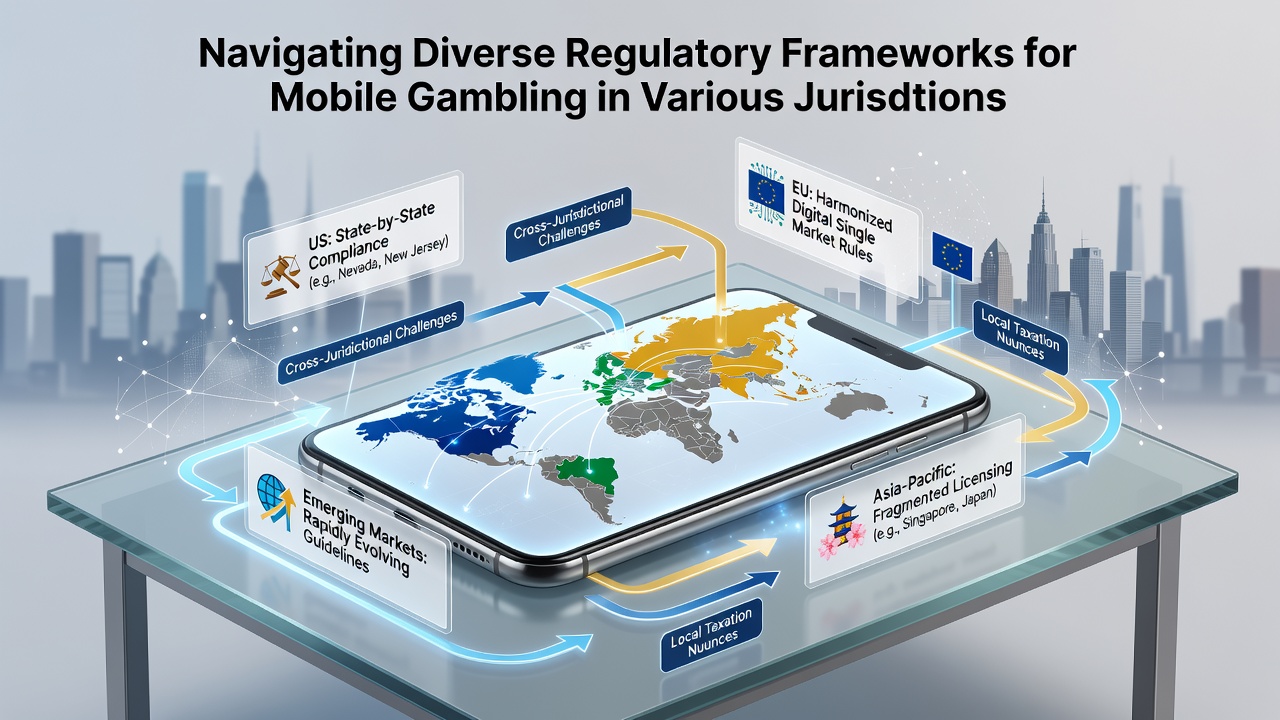
Mobile gambling operates under a patchwork of rules that shift sharply from one region to the next, and operators must track licensing requirements, age verification standards, payment restrictions, and geolocation mandates in each market they enter. Those who've studied these systems know that a single app can face entirely different approval processes depending on whether it targets players in North America, Europe, or Asia-Pacific zones.
North American Variations Shape Operator Strategies
Individual states in the United States set their own mobile gambling rules, which means an operator licensed in New Jersey must still obtain separate approvals and implement distinct geofencing technology before expanding into Pennsylvania or Michigan. Data from the New Jersey Division of Gaming Enforcement shows that mobile handle reached record levels in recent fiscal reports, while each state maintains independent testing labs for game fairness and responsible gambling tools. Across the border, Ontario's Alcohol and Gaming Commission requires online platforms to register locally and integrate specific self-exclusion databases that sync with land-based casinos.
European and Asia-Pacific Rules Create Additional Layers
Within the European Union, member states apply their own licensing regimes even as they share some consumer protection directives, so a Maltese license allows operators to serve certain markets while others demand local incorporation and additional tax filings. Malta Gaming Authority records indicate that remote gambling licenses grew steadily through 2025, with many applicants now preparing for updated technical standards scheduled to begin in July 2026. In Australia, state and territory laws govern mobile betting, and operators must comply with strict advertising codes plus mandatory harm-minimization pop-ups that appear at set intervals during play sessions.
Asian jurisdictions add further complexity because some countries prohibit mobile gambling outright while others, such as parts of Japan and South Korea, permit limited regulated offerings tied to tourism or sports betting. Observers note that operators often deploy separate app versions with region-specific features, including restricted payment methods and localized customer support teams that understand each market's reporting deadlines.
Common Compliance Tools Across Borders
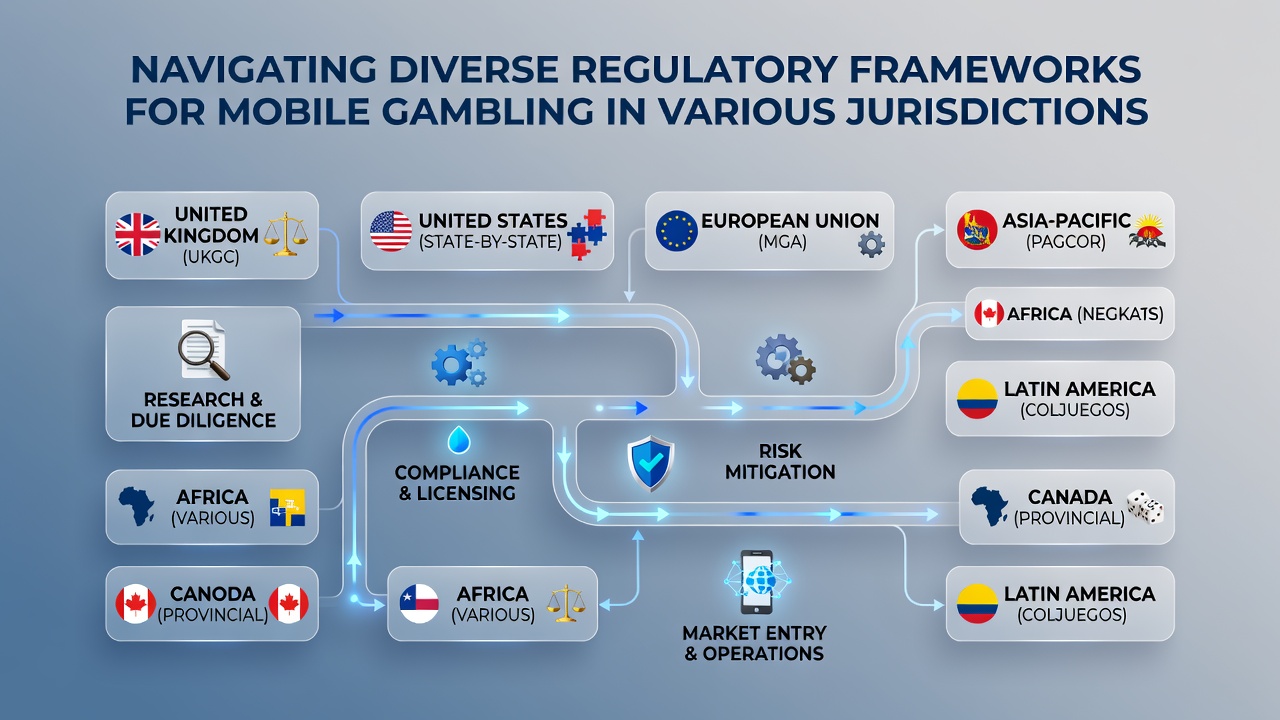
Most regulators now require robust age verification systems that cross-check government databases in real time, and many demand that operators share anonymized play data to help authorities monitor problem gambling trends. Payment processing rules also differ widely: some jurisdictions ban credit card deposits entirely, whereas others allow digital wallets provided they undergo additional anti-money laundering checks. Research indicates that successful operators maintain centralized compliance teams that track legislative changes across dozens of jurisdictions simultaneously.
Technical and Operational Adjustments Required
Geolocation services must meet precise accuracy thresholds set by each licensing body, and failure to block users outside approved areas can trigger fines or license revocation. Software providers therefore build modular codebases that let operators toggle features on or off depending on the player's detected location. Those managing multi-jurisdiction portfolios often schedule quarterly audits to confirm that every app version still aligns with the latest rule updates from the relevant authorities.
Conclusion
Regulatory diversity remains the defining feature of mobile gambling markets worldwide, and companies that invest in adaptable compliance systems continue to expand while those that overlook local nuances face restricted access or penalties. As new rules take effect in July 2026 and beyond, ongoing monitoring of government announcements from bodies such as the Alcohol and Gaming Commission of Ontario and the Malta Gaming Authority will stay essential for any operator seeking sustainable growth across borders.