Biometric Authentication Developments in Global Cross-Border Gambling Operations
Mia Coleman · Aug 22, 2026

Biometric Authentication Developments in Global Cross-Border Gambling Operations
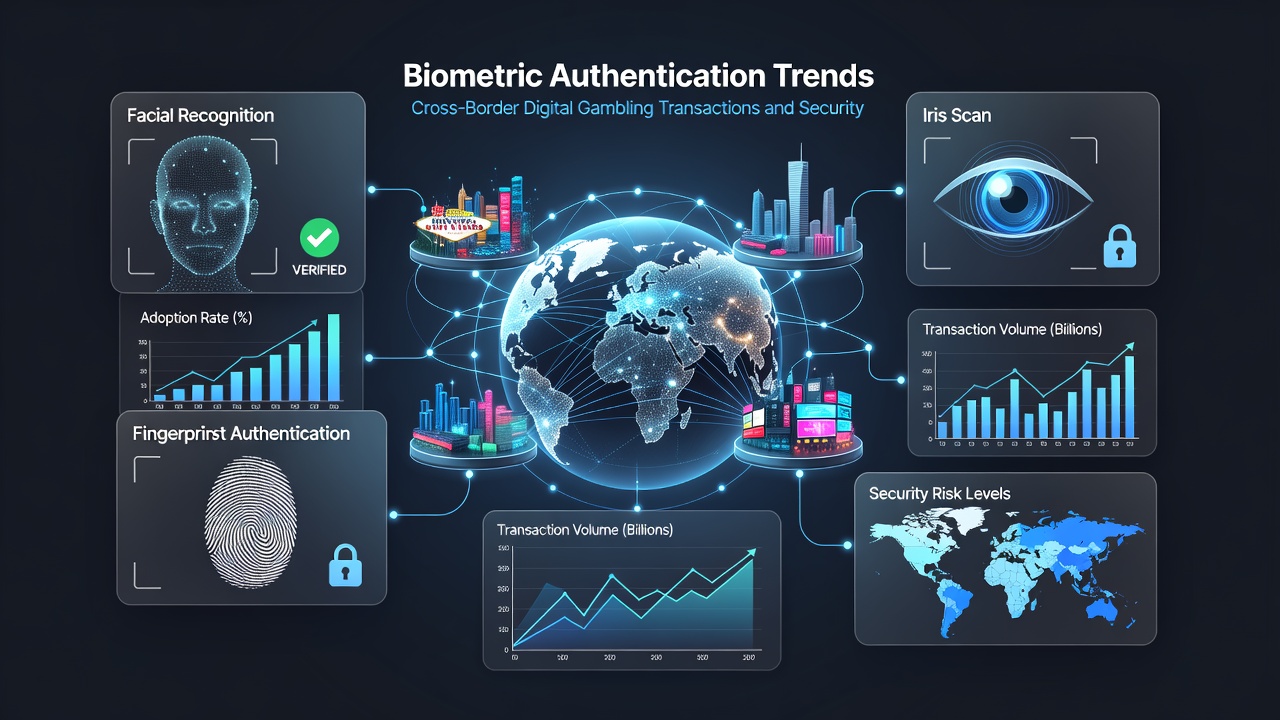
Biometric authentication has moved from experimental pilots to standard practice across many international gambling platforms that handle transactions between different countries, and data from regulatory filings shows growing reliance on fingerprint, facial, and iris recognition to meet identity verification requirements. Operators integrate these systems because they reduce reliance on passwords and documents that fraudsters often replicate, while compliance frameworks in multiple jurisdictions now encourage or require stronger customer identification methods for cross-border activity.
Current Adoption Patterns Across Regions
European operators have incorporated biometric checks into their platforms since data protection rules tightened around personal information handling, and similar patterns appear in Canadian provincial frameworks where gaming authorities review verification protocols for online services. In Australia, several licensed providers adopted facial recognition tools following updates to digital identity standards, and these implementations connect directly to transaction monitoring systems that flag unusual activity across borders. Research indicates that mobile devices now carry the majority of biometric sensors used in gambling applications, which allows users to complete verification steps without uploading additional paperwork during account setup or large withdrawals.
Security Protocols and Data Handling Practices
Security teams combine biometric templates with encryption layers and tokenization so that raw biometric data does not remain stored in the same location as account details, and this separation meets standards set by organizations focused on financial transaction security. Multi-factor approaches often pair biometrics with device fingerprinting or one-time codes sent through secure channels, while continuous authentication methods monitor behavioral patterns such as typing speed or navigation habits throughout a session. When cross-border transactions occur, these layered protocols help operators satisfy both the originating country’s gambling rules and the destination jurisdiction’s data transfer requirements, particularly when personal information moves between regions with different legal protections.
Regulatory Influences and Technical Standards
According to documents from the European Commission, updated digital identity proposals encourage the use of biometric elements within verified digital wallets that could extend to gambling services, and these proposals aim to create consistent verification methods across member states. In parallel, the National Institute of Standards and Technology in the United States has published guidelines on biometric accuracy testing that many gambling technology vendors reference when building their systems. Observers note that by August 2026 several jurisdictions plan to align their biometric data retention rules more closely with emerging international standards, which would affect how long platforms may keep verification records after an account becomes inactive.
Technical Challenges in Cross-Border Contexts
Accuracy rates vary when biometric systems process data from users in different geographic regions because lighting conditions, camera quality, and skin tone representation can influence facial recognition performance, and vendors have responded by training models on more diverse datasets. Latency becomes an issue when biometric matching occurs across servers located in separate countries, so some operators now use edge computing to perform initial checks on the user’s device before sending encrypted results to central systems. Privacy regulations in certain markets restrict the transfer of biometric templates, which forces companies to establish localized processing centers or obtain explicit consent for each data movement.
Integration with Payment and Compliance Systems
Payment processors that serve gambling sites increasingly require biometric confirmation for high-value transfers, and this requirement links directly to anti-money laundering checks that cross-reference biometric identity data against watchlists maintained by financial intelligence units. Case studies from platform audits show that combining biometric verification with transaction history analysis helps identify accounts opened with stolen identities more quickly than document-only methods. Industry reports also indicate that voice biometrics see limited use in gambling environments because background noise during mobile sessions reduces reliability, whereas fingerprint and facial methods maintain higher success rates on modern smartphones.
Future Implementation Timelines
Projections shared by technology providers suggest expanded use of iris scanning on newer mobile devices will influence gambling verification flows within the next two years, and several major platform developers have already begun testing these sensors in controlled environments. Regulatory bodies continue to evaluate how biometric data should be treated when users move between jurisdictions, and working groups at international standards organizations are drafting common formats for biometric template exchange that would reduce the need for repeated verification when players access services from different countries.
Conclusion
Biometric authentication continues to shape verification practices in cross-border digital gambling by providing faster identity confirmation and supporting compliance with varied international rules, while technical and regulatory developments scheduled around August 2026 will likely determine how widely these methods expand. Operators and regulators both track performance metrics and privacy outcomes to refine protocols that balance security needs with user convenience across different markets.