Beyond Standard Banking: Niche Solutions in International Casino Payments
Mia Coleman · Jul 2, 2026
Beyond Standard Banking: Niche Solutions in International Casino Payments
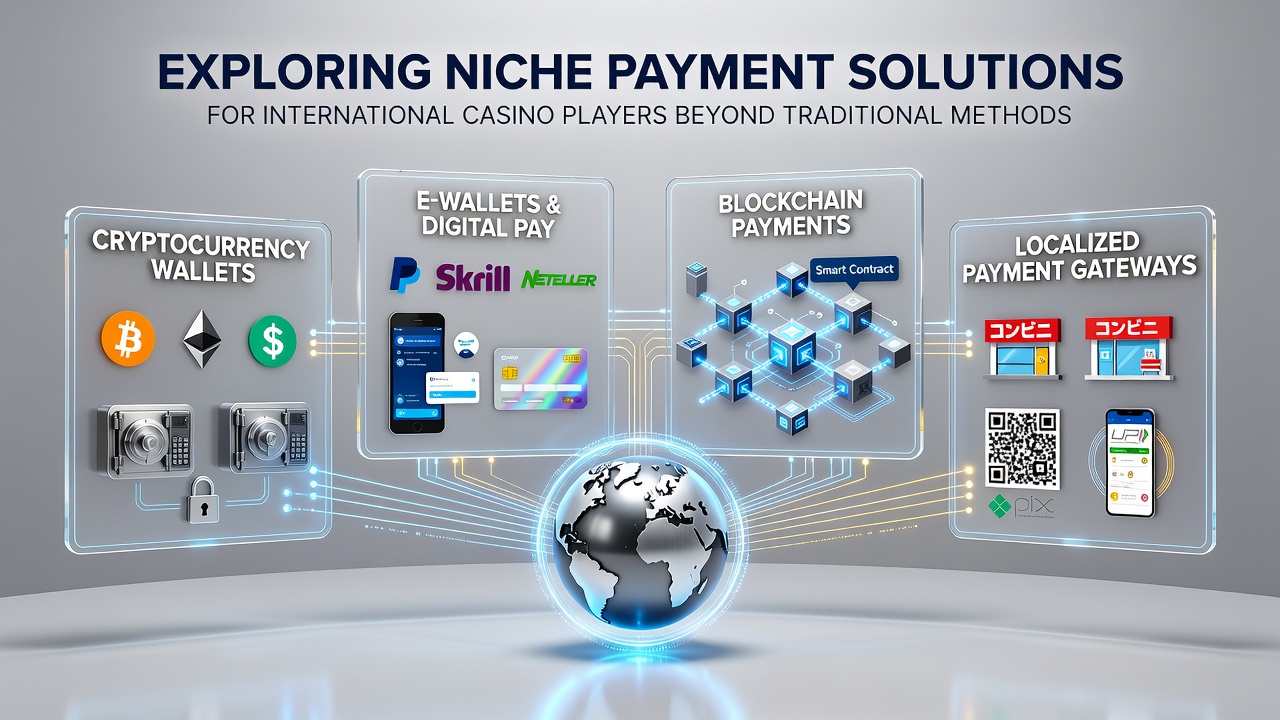
International casino players encounter restrictions when relying solely on conventional credit cards or bank wires, which is why specialized alternatives have gained traction across borders, and data from regulatory bodies shows increasing adoption in regions with strict financial oversight. Observers note that these niche options address issues like currency conversion fees, processing delays, and geographic blocks that affect participants from Asia, Latin America, and Africa alike.
Cryptocurrency Integration in Casino Ecosystems
Bitcoin, Ethereum, and emerging stablecoins serve as primary vehicles for many cross-border transactions because blockchain networks bypass traditional intermediaries, and studies from financial institutions indicate transaction times often drop to minutes rather than days. Those who've examined adoption patterns report that platforms accepting these assets saw volume growth in markets where local banking rules limit fiat transfers, while security protocols built into wallets reduce exposure compared with card-based methods.
Region-Specific E-Wallet Variants
Services tailored to particular countries fill gaps left by global giants, such as localized versions popular in Southeast Asia or Latin America that support instant deposits without requiring international card networks, and figures from payment analytics groups reveal usage spikes during peak gaming seasons. Experts have observed that these wallets frequently incorporate multi-currency support, allowing seamless switches between local denominations and casino credits, whereas users in restricted zones combine them with VPNs or regional proxies to maintain access.
But here's the thing: compatibility varies by operator, so players must verify supported networks before initiating transfers to avoid failed transactions that freeze funds temporarily.
Prepaid and Voucher Systems
Prepaid cards and digital vouchers provide another layer of anonymity and control, since they operate on fixed balances loaded via cash or local transfers, and research from academic sources on consumer finance highlights lower fraud rates in high-volume environments. One case study involving operators in the Caribbean demonstrated how voucher redemptions streamlined payouts for players avoiding direct bank linkages, while regulatory changes expected around July 2026 may standardize verification requirements for these instruments across EU member states.

Decentralized Finance Protocols
DeFi lending pools and smart contract-based escrows have entered the space as experimental yet functional bridges, allowing players to collateralize assets for casino credits without selling holdings outright, and data released by European Central Bank analyses on digital finance shows gradual integration in pilot programs. Observers note that volatility remains a factor, yet hedging tools embedded in certain protocols mitigate swings during the transfer window, and participants in Oceania markets have tested these methods with mixed but documented success rates.
Regulatory Landscape and Compliance Factors
Government agencies in Canada and Singapore maintain frameworks that classify certain niche payments under anti-money laundering statutes, requiring identity checks at thresholds that vary by jurisdiction, while industry reports from gaming associations document how operators adapt interfaces to meet these standards without disrupting user flow. What's interesting is that non-compliance can lead to account holds, prompting many platforms to embed automated KYC layers directly into the payment selection process.
Security Protocols Across Methods
Encryption standards and two-factor authentication appear consistently across viable solutions, yet differences emerge in how providers handle dispute resolution when transfers encounter network issues, and research indicates that decentralized options shift liability toward users whereas centralized e-wallets retain more intermediary protections. Players often discover through experience that combining multiple methods, such as an initial crypto deposit followed by voucher withdrawals, spreads risk effectively.
Future Developments Anticipated by Mid-2026
Analysts tracking payment technology predict broader acceptance of central bank digital currencies in casino environments once infrastructure matures, and early trials in select Asian markets have already demonstrated reduced settlement times, whereas legacy systems continue to coexist alongside these innovations. Those monitoring legislative calendars note that updates slated for July 2026 could influence cross-border compatibility, particularly for protocols tied to stablecoin regulations.
Conclusion
Specialized payment avenues continue to expand options for international casino participants by addressing limitations inherent in mainstream channels, and evidence from multiple regulatory regions supports their role in facilitating smoother, more secure exchanges. As infrastructure evolves, the interplay between technology providers, operators, and oversight bodies will shape accessibility, with current patterns suggesting sustained diversification rather than replacement of established systems.